Sustainable Bags: How Companies Communicate Their Responsibility

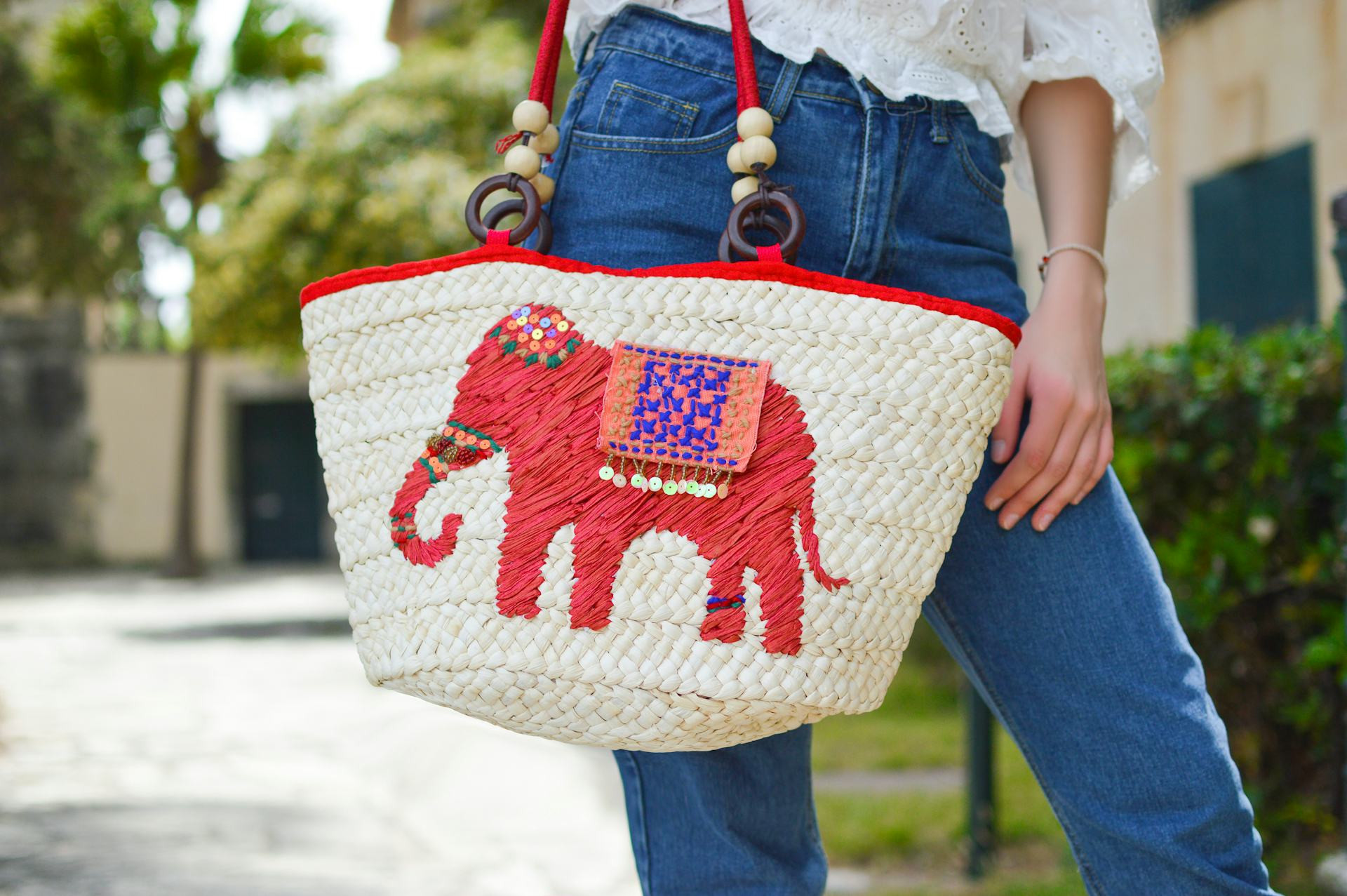
Sustainable Bags: How Companies Communicate Their Responsibility
Sustainability is no longer a niche concept—it has become a defining value in the fashion and lifestyle industries. American consumers are increasingly demanding transparency, and companies must show how they take responsibility for both the planet and the people behind their products. Bags, a category that blends practicality with personal expression, have become a clear example of how sustainability can be communicated and integrated into business practices. But how do companies actually do this, and what approaches resonate most?
From Materials to Storytelling
When brands talk about sustainable bags, the story often begins with materials. Many highlight the use of recycled polyester, organic cotton, or plant-based leather alternatives as proof of their commitment to the environment. Yet, material choice is only one part of the narrative.
Today’s consumers want honesty and documentation. That’s why more brands are choosing to share both their progress and their challenges. A company might explain that its bags are made from recycled ocean plastic, while also acknowledging that certain components—like zippers or linings—are still being improved. This kind of transparency builds credibility and trust.
Communication with Substance
Sustainability communication is not just about using the right buzzwords; it’s about showing real action. Many companies now involve customers in the process—offering repair services, take-back programs, or discounts for returning used bags. These initiatives send a message that sustainability doesn’t end at the point of sale.
At the same time, communication must remain accessible. Consumers should easily understand what makes one bag more sustainable than another. A strong strategy combines facts with storytelling: share data about carbon savings, but also tell the story of the craftspeople or local workshops that make the products possible.
Avoiding Greenwashing
As sustainability becomes a competitive advantage, the risk of greenwashing—exaggerating or oversimplifying environmental claims—has grown. American consumers are increasingly skeptical, and regulators are paying attention. The Federal Trade Commission’s “Green Guides,” for example, set standards for how companies can market environmental benefits without misleading customers.
To build trust, many brands seek third-party certifications such as GOTS, Fair Trade, or B Corp. Others partner with independent organizations to verify their claims. These steps require investment, but they strengthen credibility and can be more valuable in the long run than any advertising campaign.
The Human Side of Sustainability
Sustainability isn’t only about the environment—it’s also about people. Fair wages, safe working conditions, and respect for labor rights are essential parts of responsible production. Many companies now use their platforms to highlight the people behind the bags—from artisans in Mexico to designers in New York.
By showing the faces and stories behind their products, brands make sustainability tangible. It reminds consumers that responsibility also means valuing human skill and dignity. This approach can create a deeper emotional connection between customers and the products they buy.
Digital Transparency
Technology is making it easier for companies to document and share their sustainability efforts. Some brands use QR codes or digital product passports that allow customers to trace a bag’s journey—from raw materials to finished product. This kind of transparency not only builds trust but also makes sustainability more concrete.
Others go further by publishing their carbon footprints or supplier lists online. It’s a bold move, but one that signals genuine accountability and a willingness to be held to high standards.
Læs også:




The Role of Consumers
While companies carry much of the responsibility, consumers also play a crucial role. By choosing quality over quantity, repairing instead of replacing, and supporting brands with verified sustainability practices, shoppers can help drive meaningful change.
That’s why many brands use their communication not just to sell more bags, but to inspire mindful consumption. It may seem paradoxical, but in an era where authenticity matters, encouraging customers to buy less—but better—can actually strengthen brand loyalty.
A New Standard of Responsibility
Sustainable bags are no longer a niche product; they’re part of a broader movement toward responsible production and consumption. The companies that successfully combine design, functionality, and transparency are setting a new standard for what it means to do business with integrity.
In the end, it’s not just about selling bags—it’s about telling a story that lasts. A story where responsibility isn’t a marketing tactic, but a core part of a company’s identity.
Læs også: