Structured Bags – Materials That Hold Their Shape

Structured Bags – Materials That Hold Their Shape
A structured bag has a certain timeless appeal. It stands upright, keeps its silhouette, and adds a polished touch to any outfit—whether you’re heading to the office, running errands, or going out for the evening. But what exactly makes some bags hold their shape while others collapse or lose definition over time? The answer lies in the materials, construction, and design techniques behind them. Here’s a closer look at what gives structured bags their form—and how to choose the right one for your lifestyle.
Why Structure Matters
Structure isn’t just about looks. A bag that holds its shape is also practical. It protects your belongings, makes it easier to find what you need, and maintains a neat appearance even when it’s not full. For many, a structured bag conveys confidence and professionalism—qualities that make it a favorite for work and formal occasions.
In contrast, softer bags often feel more casual and relaxed, making them ideal for weekends or travel. Choosing between the two often comes down to how you want your bag to function and what impression you want to make.
Læs også:


Materials That Create Structure
When it comes to structure, the material is key. Some materials are naturally firm, while others rely on reinforcements to maintain their shape.
- Leather – Full-grain and vegetable-tanned leathers are classic choices. They’re durable, develop a beautiful patina over time, and can be molded to hold a defined silhouette. The thickness and tanning process determine how stiff or flexible the leather will be.
- Saffiano leather – Known for its crosshatch texture and wax finish, this leather is scratch-resistant, water-repellent, and exceptionally shape-retaining. It’s a staple in many luxury handbags.
- Coated canvas – Cotton canvas coated with wax or polyurethane offers a lightweight yet structured option. It’s often used in contemporary, functional designs that balance durability with style.
- Synthetic materials – Polyurethane (PU) and polyvinyl chloride (PVC) can mimic the look of leather while being easy to clean and resistant to deformation. They’re common in affordable structured bags, though they lack the natural aging of real leather.
- Felt blends and technical fabrics – These materials can also provide structure, especially when combined with internal reinforcements or layered construction.
The Construction Behind the Shape
Even the best materials need proper construction to maintain structure. Designers use a variety of techniques to ensure a bag keeps its form over time:
- Internal reinforcements – Thin panels of plastic, cardboard, or leather are sewn into the sides, base, and flap to add stability.
- Reinforced seams and edges – Strong stitching and edge binding help the bag retain its shape through daily use.
- Lining and layering – A firm lining paired with the outer material creates a more solid, cohesive structure.
- Molded components – In leather goods, heat and pressure can be used to shape panels that hold their form permanently.
These methods ensure that a structured bag doesn’t collapse when empty and continues to look refined for years.
Care Tips: Keeping the Shape
Even a well-made structured bag needs care to stay in top condition. A few simple habits can make a big difference:
- Store it properly – When not in use, fill the bag with tissue paper or soft fabric to help it keep its shape.
- Avoid moisture and heat – Leather and coated materials can warp or crack if exposed to water or high temperatures.
- Clean with care – Use products suited to the material, and avoid over-conditioning leather, which can soften it too much.
- Rotate your bags – Using the same bag every day accelerates wear. Switching between a few favorites helps each one last longer.
Finding the Right Style for You
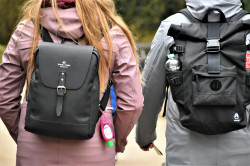
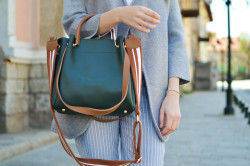
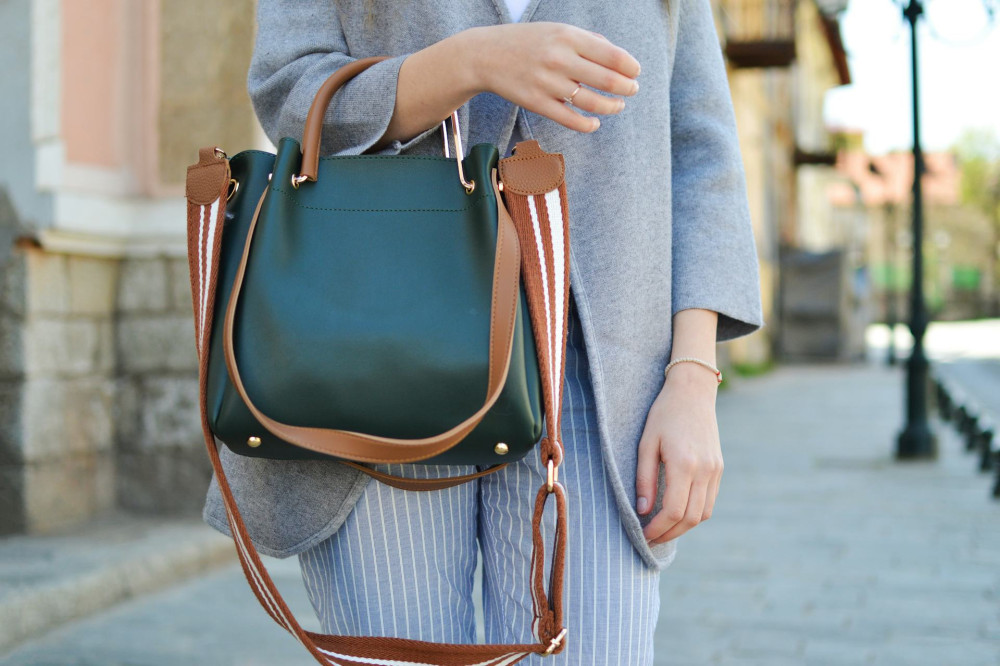
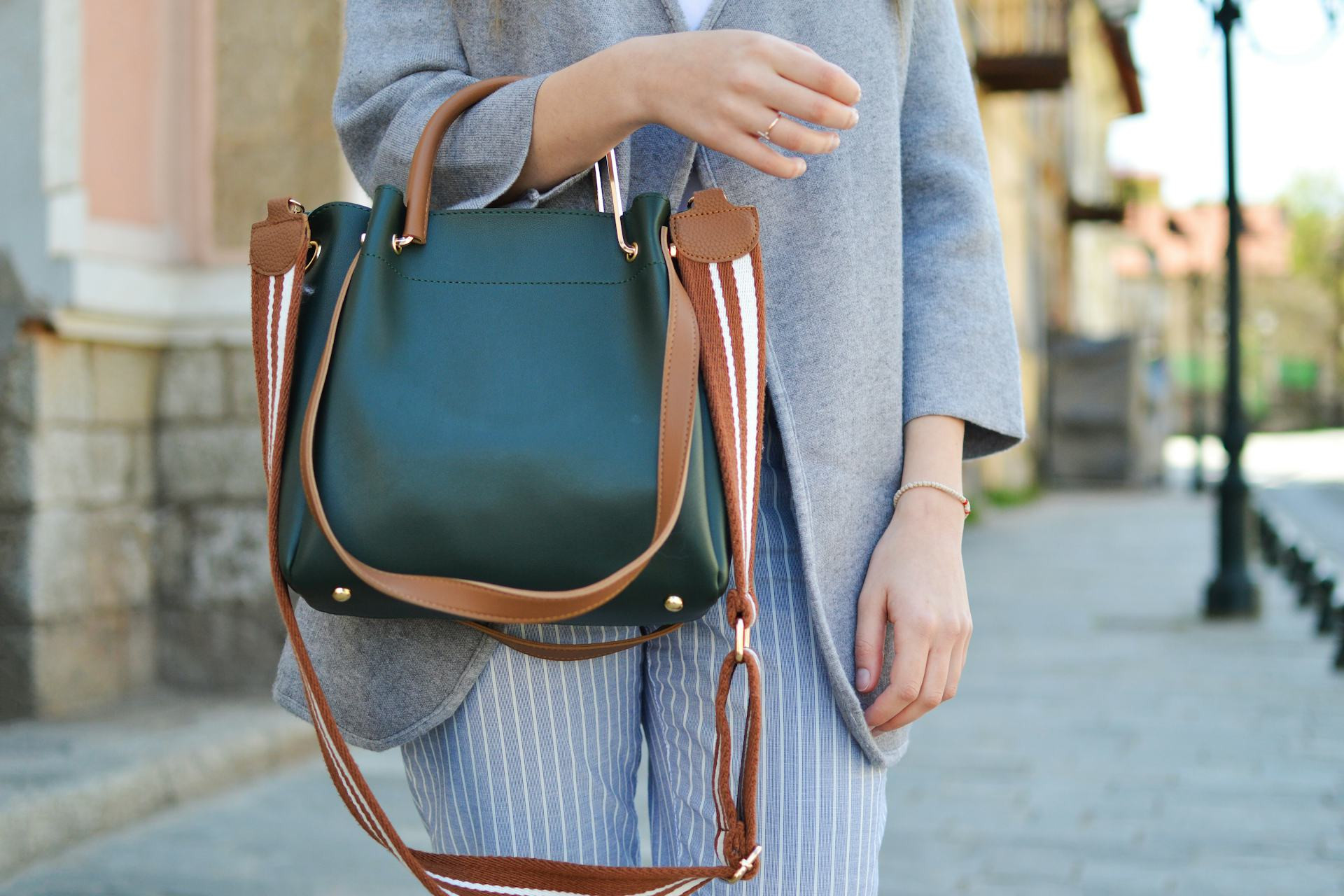
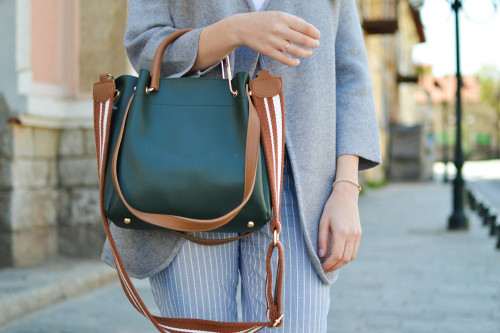
Your ideal structured bag depends on both your needs and your personal style. A structured leather tote or satchel projects professionalism and order—perfect for the office. A boxy crossbody in coated canvas or PU offers everyday practicality with a modern edge. For special occasions, a hard-shell clutch or mini top-handle bag adds elegance and definition to your look.
If you prefer a more relaxed aesthetic but still want some shape, consider a semi-structured tote with a firm base and softer sides—a versatile middle ground between form and flexibility.
A Balance of Form and Function
A structured bag is more than a fashion statement—it’s an investment in quality and longevity. It keeps its shape, protects your essentials, and elevates your overall look season after season. Whether you choose classic leather, innovative synthetics, or technical textiles, the key is finding the right balance between aesthetics and practicality for your everyday life.
Læs også: