Overshirts and Textures: How to Master the Layered Look

Overshirts and Textures: How to Master the Layered Look
The layered look has become a cornerstone of modern men’s fashion—not just because it looks great, but because it’s practical. It allows you to adapt to changing temperatures while expressing your personal style through the mix of materials, colors, and textures. One of the most versatile pieces for mastering this look is the overshirt—a garment that perfectly bridges the gap between a shirt and a jacket. Here’s your guide to mastering the art of layering with a focus on overshirts and textures.
What Is an Overshirt?
An overshirt—sometimes called a “shacket” (shirt + jacket)—is a thicker shirt designed to be worn as an outer layer over a T-shirt, sweater, or even another shirt. It’s typically made from heavier fabrics like wool, corduroy, denim, or canvas, giving it both structure and warmth.
The beauty of the overshirt lies in its flexibility: it can serve as a lightweight jacket during transitional seasons or as an extra layer under a coat in winter. Depending on how you style it, it works equally well for casual weekends or smart-casual office days.
Play with Textures
When layering, it’s not just about color—texture plays an equally important role. Mixing different materials adds depth and visual interest to your outfit.
- Wool and cotton: A timeless combination where wool adds warmth and structure, while cotton keeps things breathable and relaxed.
- Corduroy and denim: Two rugged fabrics that create a masculine, workwear-inspired vibe. Try a corduroy overshirt over a denim shirt for a fall-ready look.
- Canvas and knitwear: A canvas overshirt layered over a chunky sweater gives a laid-back yet intentional appearance.
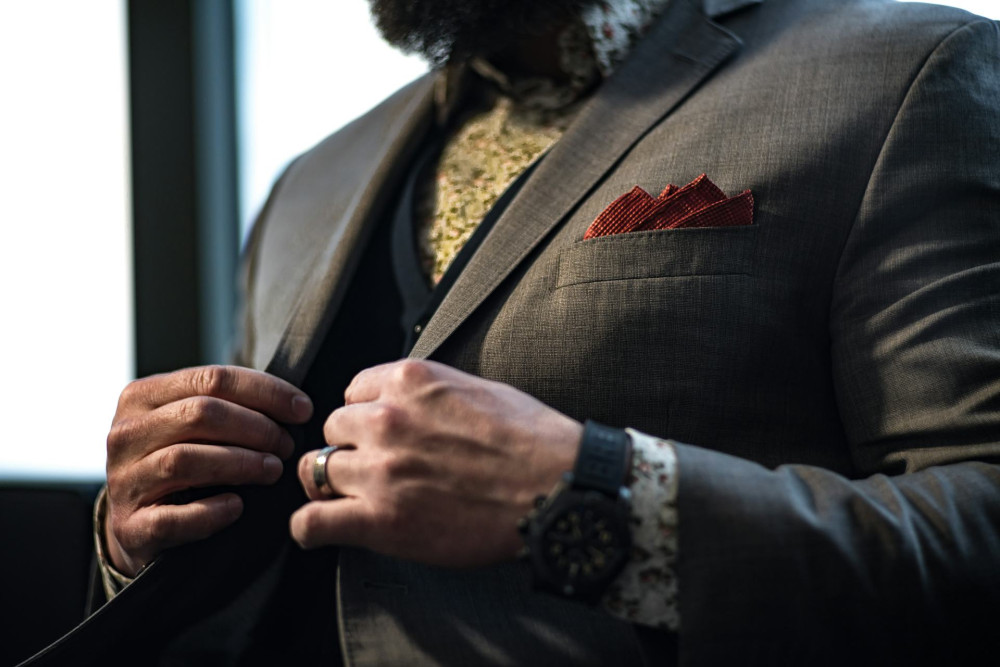
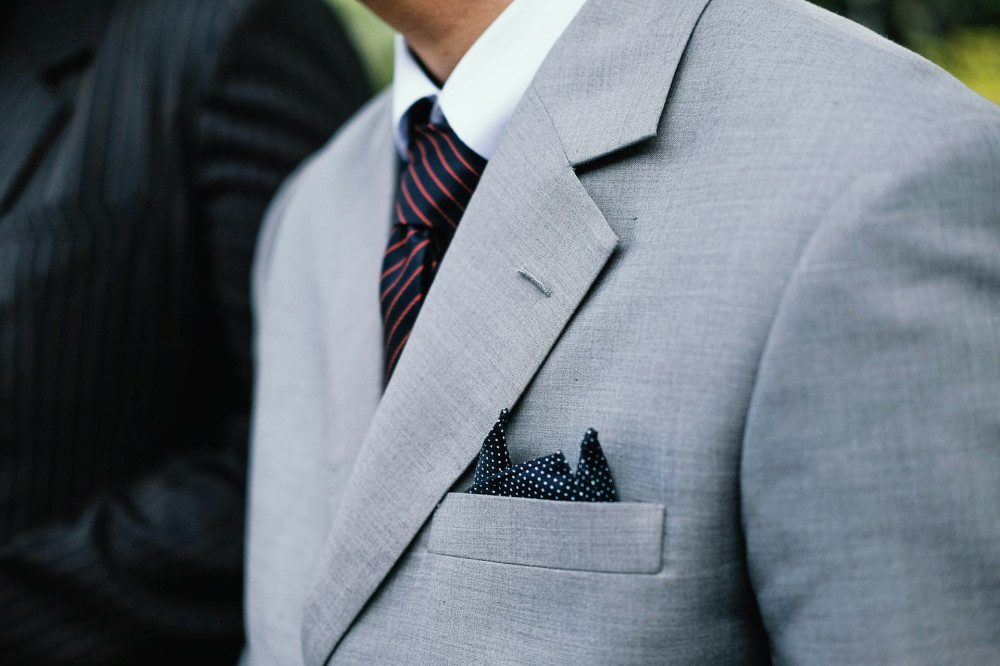
Think of textures like layers in a painting—they should complement, not compete. If your overshirt has a strong texture, keep the layers underneath simpler to maintain balance.
How to Build Your Layered Look
A successful layered outfit is all about proportion and balance. Here’s a simple formula to follow:
- Start with the base – a clean T-shirt or lightweight cotton shirt.
- Add a mid-layer – a thin sweater or turtleneck for warmth and contrast.
- Top it with an overshirt – choose a fabric that suits the season: wool for winter, denim or canvas for spring and fall.
- Finish with outerwear – on colder days, add a coat or jacket that complements the colors and textures of your other layers.
Make sure each layer is visible. The interplay between them is what makes the look interesting and dynamic.
Læs også:

Colors That Work Together
When layering, too many colors can quickly overwhelm the outfit. Stick to a cohesive palette. Neutrals like gray, navy, beige, and olive make a great foundation, while a single accent color—like a deep burgundy or forest green overshirt—adds personality.
A good rule of thumb: let your colors progress naturally from lightest on the inside to darkest on the outside. This creates harmony and a visually balanced look.
Practical and Stylish
Layering isn’t just about aesthetics—it’s also functional. Multiple layers let you adjust easily to temperature changes. You can unbutton your overshirt when the sun comes out or remove it entirely for a more relaxed vibe.
An overshirt is also a great travel companion. It can act as a jacket, a shirt, or an extra layer under a coat, making it one of the most versatile pieces in your wardrobe.
Choosing the Right Overshirt
When shopping for an overshirt, keep these three factors in mind:
- Material – Choose based on season and purpose. Wool and flannel for winter, cotton and denim for spring and fall.
- Fit – It should be roomy enough to layer underneath but still maintain a sharp silhouette.
- Details – Pockets, buttons, and stitching add character. Chest pockets and chunky buttons give a casual feel, while a minimalist design looks more refined.
A well-made overshirt is an investment piece you’ll wear year-round—both as part of a layered outfit and on its own.
Layering as Personal Style
The best thing about layering is that it allows for individuality. You can experiment with proportions, fabrics, and colors until you find what feels right for you. Some prefer a clean, minimalist look, while others lean toward a rugged, outdoors-inspired aesthetic.
Whatever your style, the overshirt is the key piece that ties everything together. Once you find your favorite, you’ll see how easy it is to create variety in your everyday wardrobe with just a few well-chosen layers.
Læs også: