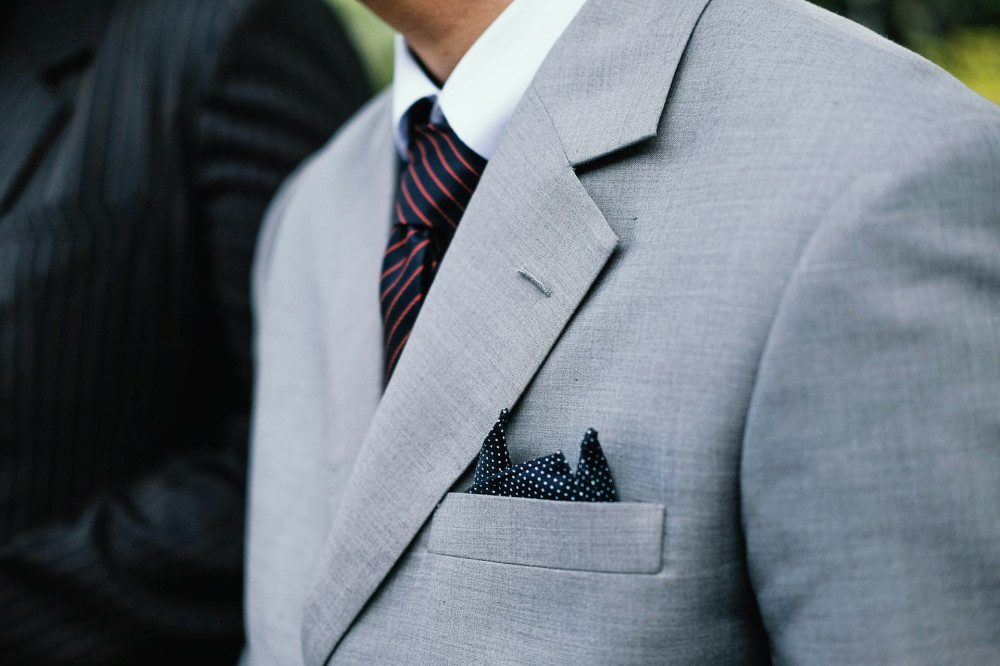
Combine Fit and Fabrics for a Balanced Look

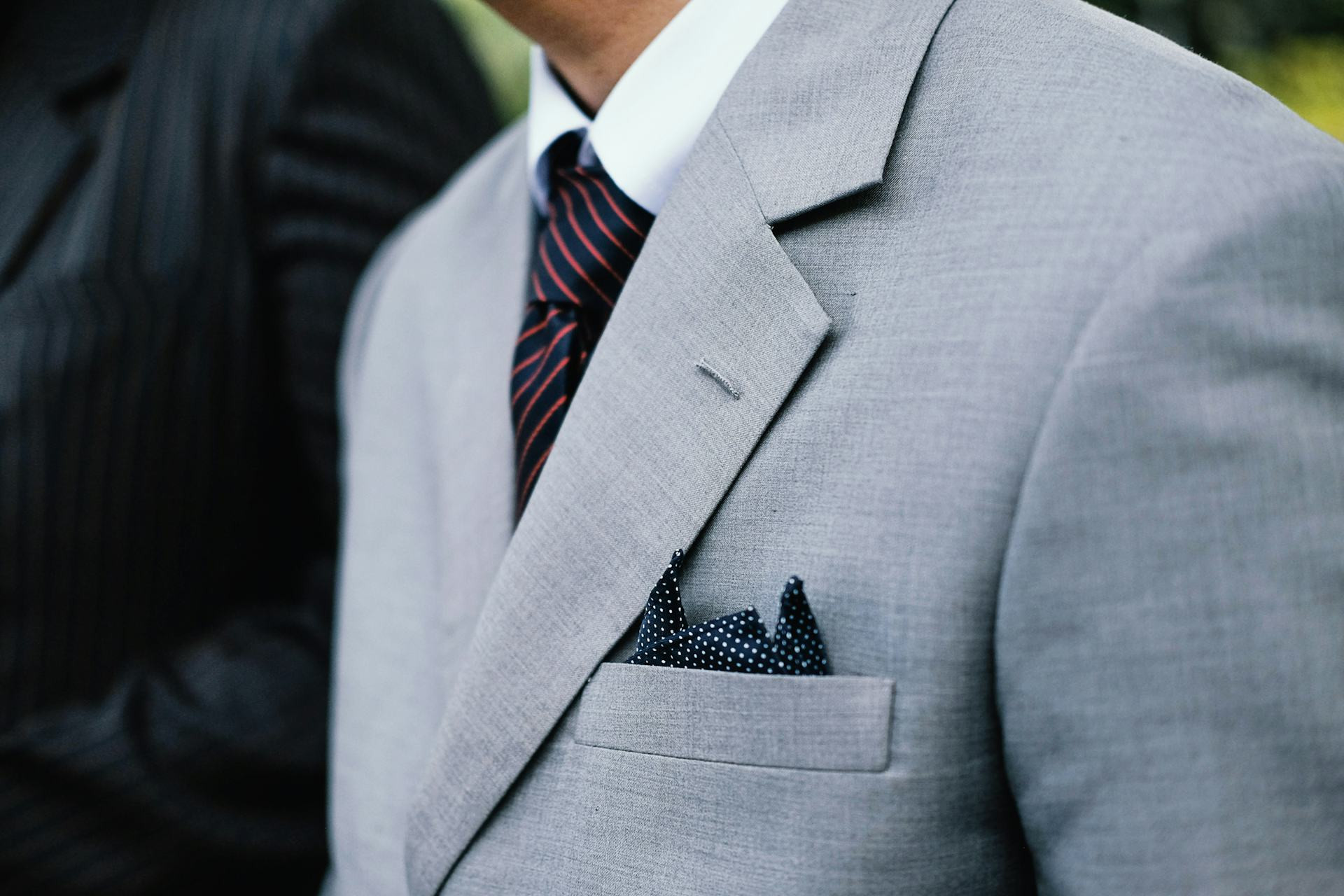
Combine Fit and Fabrics for a Balanced Look
Looking well-dressed isn’t just about colors or brands – it’s about how your clothes fit and what they’re made of. When fit and fabric work together, you create a look that feels intentional, comfortable, and uniquely yours. Here’s how to combine these two elements for a balanced and polished appearance.
Fit – The Foundation of Great Style
Fit is the first thing people notice. A blazer, shirt, or pair of jeans can be high-end, but if it doesn’t fit properly, it loses its impact. A good fit doesn’t mean tight – it means clothing that follows your body’s proportions and allows you to move naturally.
- Slim fit offers a modern, sharp silhouette but works best when the fabric has a bit of stretch for comfort.
- Regular fit is timeless and versatile – ideal for everyday wear when ease of movement matters.
- Relaxed fit gives a laid-back vibe, especially when paired with heavier or textured fabrics like denim, corduroy, or wool.
The key is to let your clothes complement your body shape. Small adjustments from a tailor can make a big difference – a worthwhile investment that elevates your entire wardrobe.
Fabrics – Comfort and Character
Fabric determines not only how clothing feels but also how it drapes and moves. Natural fibers and modern blends each bring their own advantages.
- Cotton is breathable and easy to care for – perfect for shirts, chinos, and casual tees.
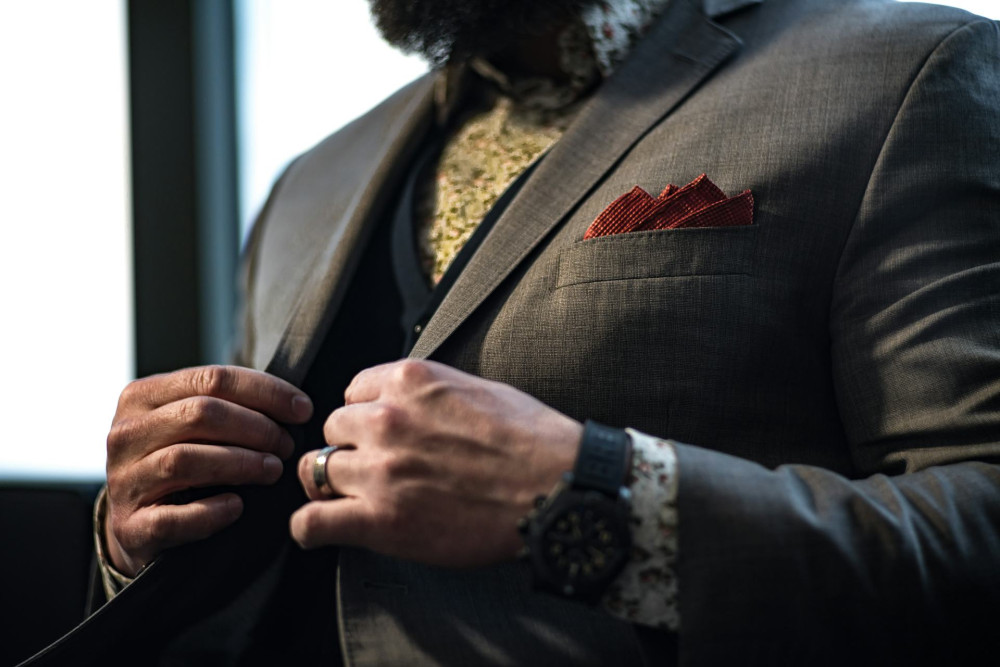
- Wool regulates temperature and adds structure, making it ideal for blazers, coats, and winter trousers.
- Linen has a light, airy texture that’s perfect for warm weather and relaxed summer outfits.
- Synthetic fibers like polyester, nylon, or elastane add durability, stretch, and wrinkle resistance – great for activewear or travel-friendly pieces.
Choosing fabrics that suit both the season and the occasion ensures your clothes look good and feel right all day long.
Balancing Texture and Movement
A balanced look often comes from mixing textures and fabric weights. A chunky knit sweater can add depth to a crisp cotton shirt, while a lightweight top can soften the formality of a structured jacket. The goal is harmony – between stiff and soft, matte and shiny, smooth and textured.
Layering is a simple way to achieve this. Start with lighter materials close to the body and build up with heavier fabrics. This not only adds visual interest but also gives you flexibility as temperatures change.
Comfort as a Style Element
Style should never come at the expense of comfort. When your clothes move with you and feel good to wear, confidence follows naturally. A blazer with a hint of stretch, a soft cotton shirt, or pants with a flexible waistband can make a big difference in how you carry yourself throughout the day.
Læs også:


Create Your Own Expression
There are no strict rules for combining fit and fabric – what matters is finding a balance that reflects your personality. Experiment with contrasts: a structured jacket over a relaxed T-shirt, or rugged jeans paired with a refined button-down. As you learn how different materials and cuts interact, you’ll discover how to create looks that feel both cohesive and personal.
In the end, a balanced look is about awareness – understanding how your clothes work with your body and your lifestyle. Once you master that connection, your wardrobe becomes more than just clothing; it becomes an effortless expression of who you are.
Læs også: