Quality Over Quantity: Think Long-Term When You Buy Clothes

Quality Over Quantity: Think Long-Term When You Buy Clothes
In a world where fashion trends change faster than the seasons and online shopping makes it easy to fill your closet overnight, it’s tempting to chase low prices and quick style fixes. But behind those bargain tags often lies a high cost — for the environment, for garment workers, and for your own wardrobe in the long run. Choosing quality over quantity isn’t just about looking good; it’s about making thoughtful, lasting choices.
Why Quality Pays Off
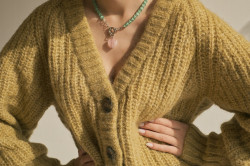
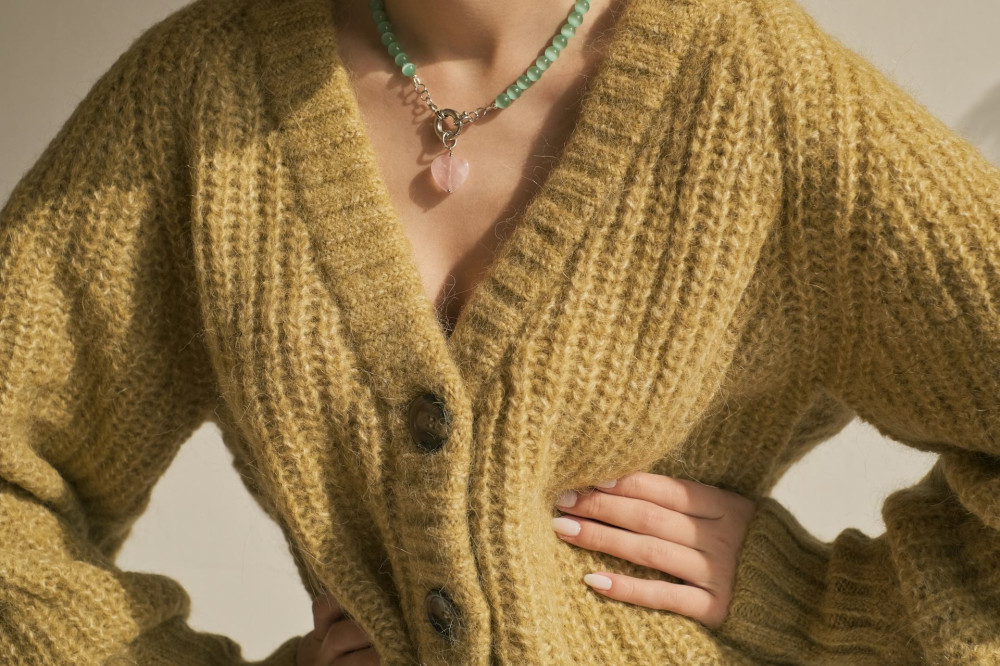
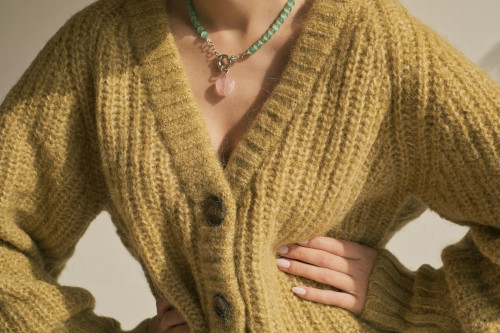
When you invest in well-made clothing, you’re not just buying something that lasts longer — you’re getting better fit, comfort, and materials that age gracefully. A high-quality wool sweater can stay in your rotation for years, while a cheap synthetic one may lose its shape and color after a few washes.
Quality garments are often produced with more care for craftsmanship and materials. That means fewer replacements, less waste, and ultimately a more sustainable wardrobe. While the upfront cost may seem higher, it pays off over time — both financially and environmentally.
Know Your Materials
One of the best ways to build a more conscious wardrobe is to understand what your clothes are made of. Natural fibers like wool, cotton, linen, and silk tend to offer better durability and comfort than many synthetic alternatives. They breathe, regulate temperature, and feel better against the skin.
- Wool is perfect for both winter and transitional seasons, keeping you warm without overheating.
- Cotton is durable and easy to care for, but it’s water-intensive to produce — so choose organic when possible.
- Linen softens with wear and has a naturally relaxed texture.
- Silk is lightweight and luxurious, though it requires gentle care.
By choosing the right materials, you can create a wardrobe that feels better, looks better, and lasts longer.
Buy Less — But Better
One of the simplest ways to reduce your clothing footprint is to buy less. Instead of giving in to sales or impulse buys, ask yourself a few key questions before purchasing something new:
- Do I really need this?
- Does it work with what I already own?
- Can I see myself wearing it a year from now — or five?
When you choose versatile pieces that can be mixed and matched across seasons and occasions, you get more value from every item. Think of your wardrobe as a system, not a collection of random purchases.
Take Care of What You Have
Even the best clothes won’t last if they’re not cared for properly. Washing, drying, and storing garments the right way can dramatically extend their lifespan. Wash only when necessary, use gentle detergents, and air out clothes instead of over-washing — especially wool and denim, which benefit from rest between wears.
Small repairs, like sewing on a button or patching a tear, can make a big difference. Many local tailors and repair shops offer affordable services, and there are plenty of online tutorials if you want to learn to do it yourself.
Læs også:

Think About the Full Life Cycle
When a piece of clothing has reached the end of its life, consider how it can be reused or recycled. Donate, swap, or sell items that are still in good condition. If something is too worn out, repurpose it as a cleaning cloth or drop it off at a textile recycling center.
By thinking in terms of circular fashion, you help reduce waste and support a more sustainable clothing culture. Every small action counts — and the more people who choose quality and mindfulness, the bigger the impact we can make together.
A Wardrobe With Purpose
Choosing quality over quantity is ultimately about taking control of your consumption and building a wardrobe that reflects your values. It’s an investment in durability, aesthetics, and responsibility — and a way to make everyday life a little simpler and more meaningful.
So next time you’re tempted by a new piece of clothing, don’t just think about how it looks today. Think about how it will feel — and hold up — tomorrow.
Læs også: