Know Your Size: How to Choose the Right Shoe Size

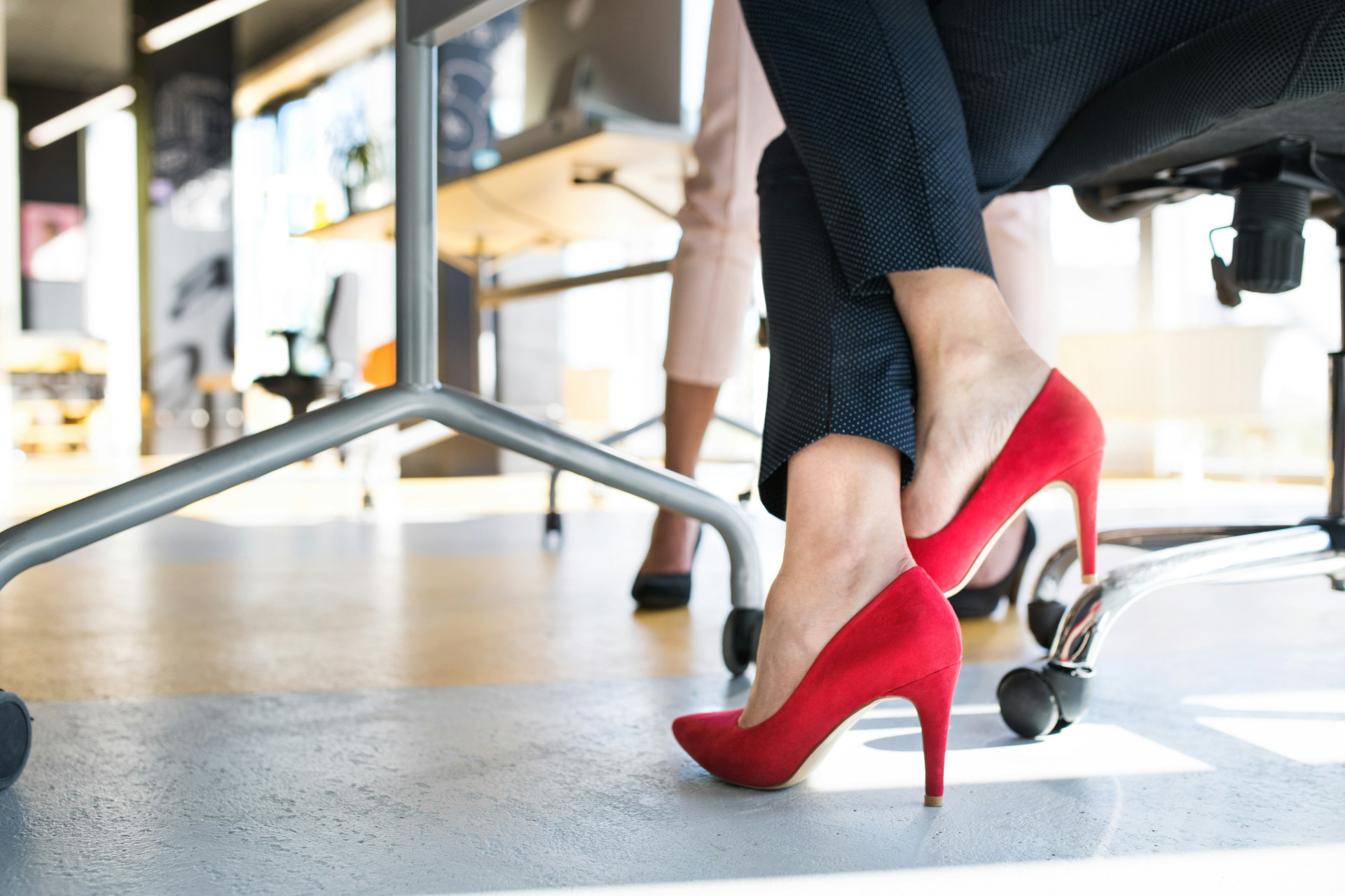
Know Your Size: How to Choose the Right Shoe Size
Finding the right shoe size might sound simple, but many Americans walk around in shoes that don’t actually fit. Ill-fitting shoes can cause sore feet, posture problems, and even shorten the lifespan of your footwear. Whether you’re shopping for sneakers, dress shoes, or hiking boots, knowing your measurements—and understanding how different brands and styles vary—is key. Here’s a guide to help you choose the right shoe size and keep your feet comfortable and supported.
Why the Right Size Matters
Your feet carry you through every step of the day, and even small fit issues can make a big difference. Shoes that are too tight can lead to blisters, calluses, and toenail problems, while shoes that are too loose can cause rubbing and instability. Over time, poor fit can also affect your knees, hips, and back.
The right size isn’t just about comfort—it’s about health. When your shoes fit properly, your weight is distributed evenly, reducing pressure points and improving balance. That means less fatigue and better posture throughout the day.
How to Measure Your Feet Correctly
The first step to finding your perfect fit is knowing your measurements. You can easily measure your feet at home with a piece of paper, a pencil, and a ruler.
- Place the paper on the floor against a wall.
- Stand on the paper with your heel touching the wall.
- Mark the spot in front of your longest toe.
- Measure the distance from the wall to the mark—this is your foot length.
- Repeat for your other foot—most people have one foot slightly larger.
Use the larger measurement when choosing your size. Then, compare your measurement to the brand’s size chart—sizes can vary between manufacturers. Remember that U.S. shoe sizes differ from European or U.K. sizes, so always double-check conversions if you’re buying international brands.
Consider Both Length and Width
Many people focus only on length, but width is just as important. A shoe can be the right length but still feel uncomfortable if it’s too narrow. Some brands offer multiple width options, often labeled as “N” (narrow), “M” (medium), “W” (wide), or even “EE” (extra wide).
If your shoes often feel tight across the ball of your foot, you may need a wider size. On the other hand, if your shoes feel loose or your heel slips, try a narrower fit. Always try on shoes with the socks you plan to wear and walk around to test the fit.
Time of Day Matters
Your feet naturally swell a bit throughout the day, especially if you’ve been standing or walking a lot. That’s why it’s best to try on shoes in the late afternoon or evening, when your feet are at their largest. This helps you avoid buying shoes that feel fine in the morning but too tight later in the day.
Match the Fit to the Purpose
Different types of shoes should fit differently. Running shoes, for example, should have about a thumb’s width of space in front of your toes to allow for movement and swelling during exercise. Dress shoes, on the other hand, can fit more snugly since leather tends to stretch slightly over time.
Think about how you’ll use the shoes: Will you wear them all day at work, or just for special occasions? If you spend long hours on your feet, prioritize comfort and support over style.
Læs også:


Shopping Online
Buying shoes online is convenient, but it can be tricky to get the size right. Always read customer reviews—many shoppers mention whether a shoe runs small, large, or true to size. Check the return policy before purchasing so you can exchange them if the fit isn’t perfect.
A helpful tip is to measure the insole of a pair of shoes you already love and compare it to the listed measurements of the pair you’re considering. This gives you a more accurate idea than relying on size numbers alone.
Take Care of Your Feet—and Your Shoes
Once you’ve found the right size, take care of both your shoes and your feet. Use a shoehorn to protect the heel structure, and give your shoes time to air out between wears. Rotate between different pairs during the week to reduce wear and give your feet variety.
Most importantly, listen to your feet. If they hurt, something isn’t right. The best shoes are the ones you barely notice you’re wearing—because they fit just right.
Læs også: