Iconic Furniture Through the Ages: Design Classics That Still Inspire

Iconic Furniture Through the Ages: Design Classics That Still Inspire
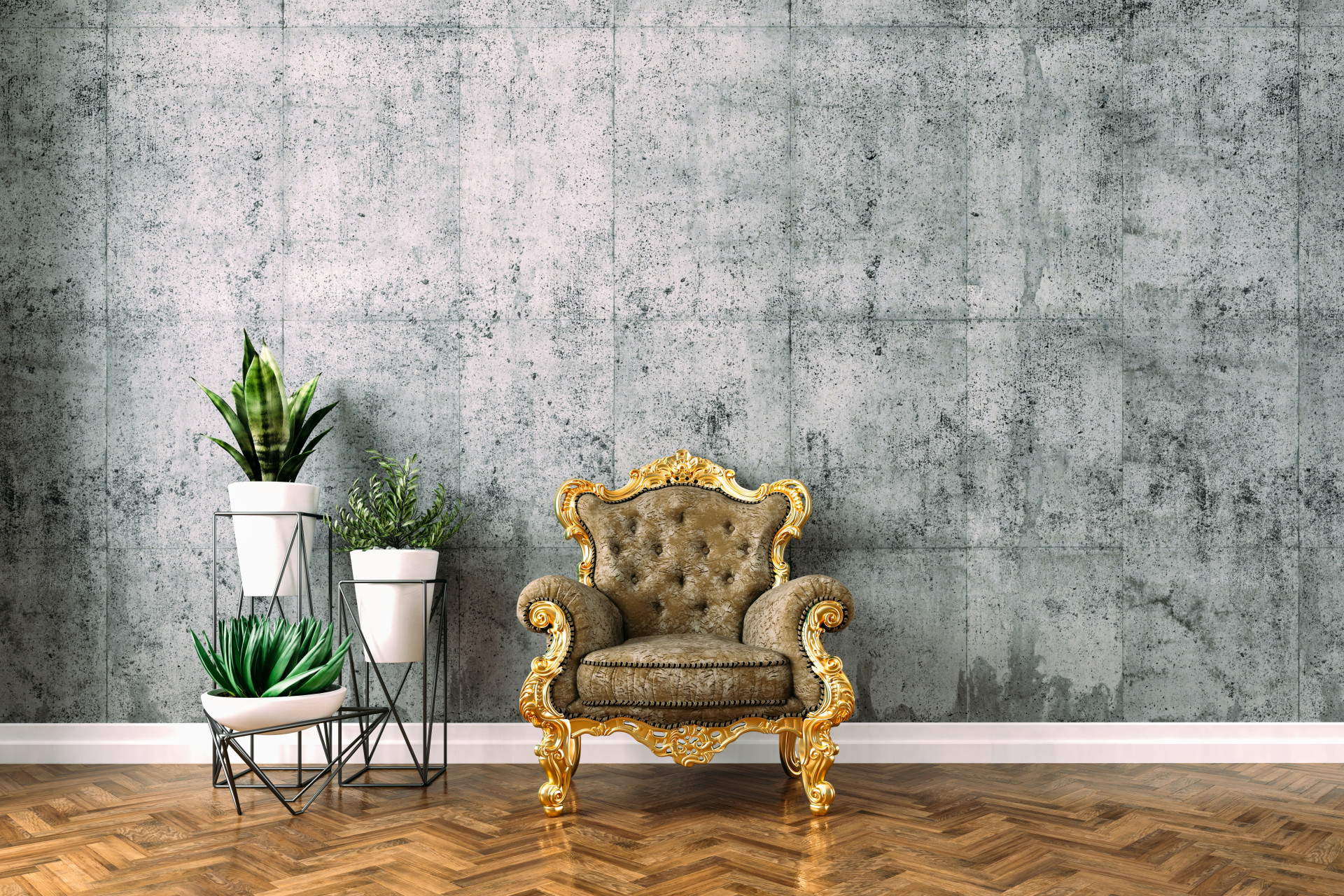
Some pieces of furniture never go out of style. They transcend trends, colors, and changing tastes because they combine function, aesthetics, and craftsmanship in a way that feels timeless. From American mid-century icons to European modernist masterpieces, certain designs have left an indelible mark on our homes and our understanding of what good design means. Here’s a look at some of the most iconic furniture pieces through the ages—and why they continue to inspire designers and design lovers today.
When Function Met Form: The Birth of Modern Design
At the dawn of the 20th century, designers began to challenge the heavy, ornate furniture that had dominated for centuries. Functionality and simplicity became guiding principles, and movements like Bauhaus in Germany redefined how furniture could look and be used.
One of the earliest examples is Marcel Breuer’s Wassily Chair from 1925. Made from tubular steel and leather, it was light, industrial, and radically different from traditional furniture. It proved that modern materials could be both beautiful and practical, setting the stage for a new era of design.
Læs også:

The American Modernists: Comfort Meets Innovation
In the United States, the mid-20th century became a golden age of design. Designers like Charles and Ray Eames, Florence Knoll, and George Nelson brought a distinctly American sensibility to modernism—one that valued comfort, accessibility, and optimism.
- The Eames Lounge Chair and Ottoman (1956) remains one of the most recognizable pieces of furniture ever made. Combining molded plywood and supple leather, it was designed to feel as comfortable as a well-worn baseball glove. Today, it’s still a symbol of luxury and modern living.
- Florence Knoll’s sofas and credenzas defined the look of the modern office and home alike. Her clean lines and architectural approach to furniture design helped shape the aesthetic of postwar America.
- George Nelson’s Marshmallow Sofa (1956) and Ball Clock (1948) brought playfulness and color to modern interiors, proving that functional design could also be fun.
These designers believed that good design should improve everyday life. Their work reflected the optimism of a nation looking toward the future—and their creations continue to embody that spirit.
Scandinavian Simplicity: Human-Centered Design
While American designers were exploring new materials and mass production, Scandinavian designers were perfecting the art of simplicity and craftsmanship. Figures like Arne Jacobsen, Hans J. Wegner, and Alvar Aalto created furniture that was both functional and deeply human.
- Wegner’s Wishbone Chair (1950) combines sculptural elegance with everyday usability. Its handwoven seat and graceful curves make it as relevant today as it was 70 years ago.
- Arne Jacobsen’s Egg Chair (1958), originally designed for a Copenhagen hotel, remains a global design icon—its organic form offering both privacy and comfort.
- Alvar Aalto’s Stool 60 (1933) is a masterclass in simplicity: three bentwood legs and a round seat that can be stacked, used as a table, or displayed as art.
These pieces embody the Scandinavian belief that design should serve people, not just spaces. Their warmth and honesty continue to influence contemporary furniture makers around the world.
Italian Elegance and the Art of Experimentation
In postwar Italy, design became a playground for creativity. Designers like Le Corbusier, Gio Ponti, and Achille Castiglioni blurred the lines between art, architecture, and furniture.
- Le Corbusier’s LC2 Armchair (1928) is a study in proportion and minimalism—its tubular steel frame and boxy cushions still look strikingly modern.
- Gio Ponti’s Superleggera Chair (1957) pushed craftsmanship to its limits, weighing less than four pounds yet remaining incredibly strong.
- Achille Castiglioni’s Arco Lamp (1962) turned lighting into sculpture, its sweeping marble base and arching stem redefining how we think about space.
Italian design brought emotion and flair to modernism, proving that rational design could also be poetic.
Why These Classics Still Inspire
Many of these iconic pieces were created more than half a century ago, yet they still feel fresh and relevant. Their enduring appeal lies not only in their beauty but also in their adaptability. They fit seamlessly into both traditional and contemporary interiors, and they continue to inspire new generations of designers who value simplicity, honesty in materials, and respect for craftsmanship.
Today, many of these classics are being reissued with sustainable materials and updated production methods, ensuring that their legacy continues in a more environmentally conscious world.
More Than Furniture: A Reflection of Life
Iconic furniture is more than just functional design—it’s a reflection of culture, emotion, and memory. A chair can remind us of a time, a person, or a place. It can be inherited, collected, or discovered at a flea market, but it always carries a story.
That’s why these design classics endure. They are not just objects; they are symbols of creativity, progress, and the human desire to make everyday life a little more beautiful. And perhaps that’s the true mark of timeless design—it never stops inspiring us to live better.
Læs også: