Gender-Segregated Children’s Clothing in Transition – A New Trend in Fashion

Gender-Segregated Children’s Clothing in Transition – A New Trend in Fashion
For decades, children’s clothing in the United States has been neatly divided into pink and blue, dresses and jeans, princesses and superheroes. But in recent years, a new movement has begun to reshape the landscape of kids’ fashion. More parents, designers, and brands are challenging traditional gender divisions, focusing instead on creativity, comfort, and self-expression. The shift is not just about colors or cuts—it’s about giving children the freedom to define themselves without being limited by outdated stereotypes.
From Pink and Blue to Every Color in Between
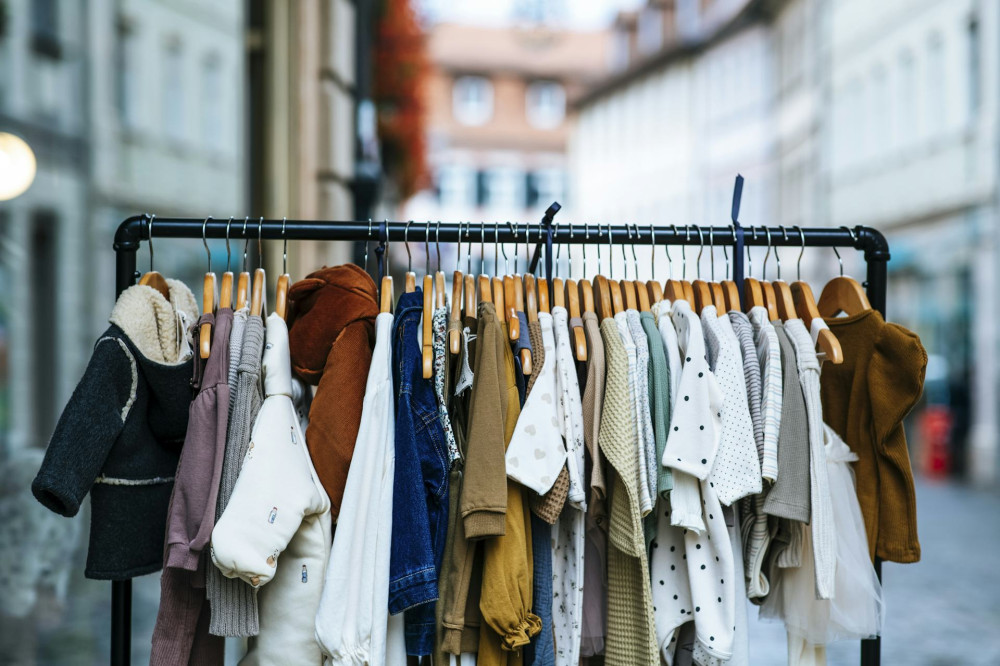
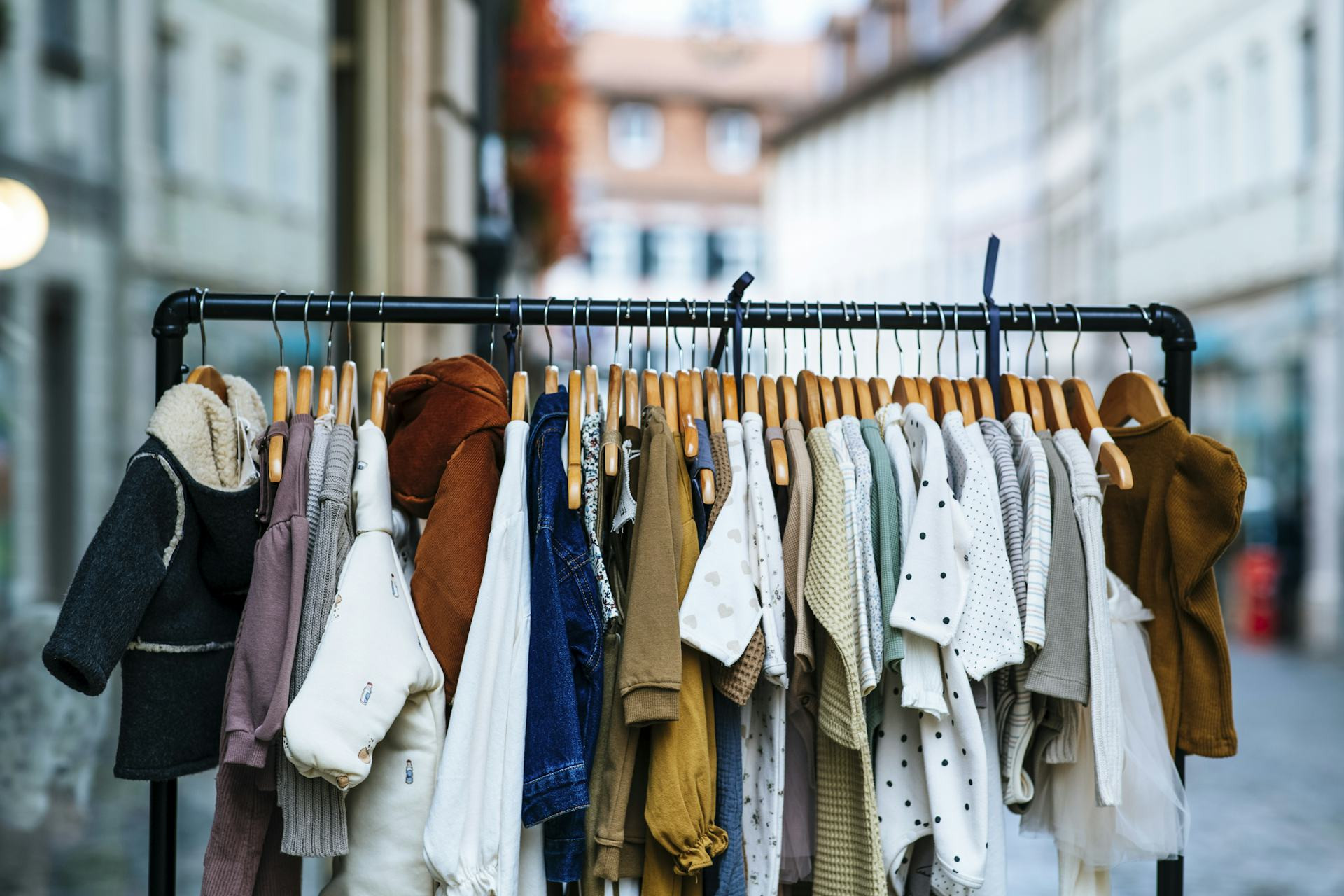
Historically, color has played a major role in how American children are dressed. By the mid-20th century, pink had become associated with girls and blue with boys—a marketing trend that influenced everything from baby showers to toy aisles. Today, however, many families are moving away from these rigid color codes. Clothing lines now feature a broader palette: greens, yellows, browns, and grays, as well as playful patterns that appeal to all children.
This change reflects a broader cultural shift toward understanding gender as more fluid and individual. For many parents, it’s about letting kids choose what they like—whether that’s sparkles, dinosaurs, or both. The goal is to raise children who feel confident expressing themselves, no matter what they wear.
The Fashion Industry Responds
Major retailers have taken notice of the growing demand for gender-neutral children’s clothing. Brands like Target, Old Navy, and Gap have introduced unisex collections, while smaller independent labels are leading the way with sustainable, inclusive designs. These collections often emphasize durability and versatility—clothes that can be passed down between siblings regardless of gender.
For the fashion industry, this is not only a social statement but also a smart business move. By creating clothing that appeals to a wider audience, companies can reduce waste and extend the life cycle of their products. The trend aligns with the increasing focus on sustainability and ethical production that many American consumers now expect.
Parents as Agents of Change
Even as the market expands, parents remain central to this transformation. Some still encounter raised eyebrows when their son wears a skirt or their daughter chooses a superhero hoodie. Yet more families are embracing the idea that children should decide for themselves. Social media has amplified this conversation, with parents sharing stories and photos that celebrate individuality and challenge stereotypes.
Sociologists note that this shift mirrors broader movements toward equality and inclusivity in American society. As parenting styles evolve, children are learning early that they can be whoever they want to be—and that includes how they dress.
Læs også:


A New Aesthetic in Kids’ Fashion
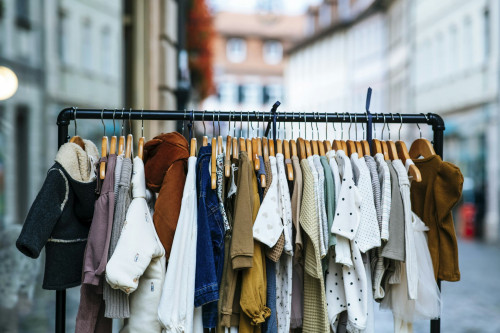
The rise of gender-neutral fashion has also introduced a new aesthetic. Instead of the traditional divide between “cute” and “cool,” designers are opting for minimalist styles, earthy tones, and nature-inspired prints. The result is clothing that feels timeless and adaptable, appealing to parents who value simplicity and quality.
At the same time, creativity remains at the heart of children’s fashion. Some designers are intentionally blending elements once considered gender-specific—soft fabrics in athletic cuts, bold prints on classic silhouettes—to create pieces that encourage play and imagination. The message is clear: fashion should be fun, not restrictive.
Looking Ahead
The move away from gender-segregated children’s clothing is still evolving, but it shows no signs of slowing down. As consumers increasingly seek products that reflect diversity and inclusivity, the fashion industry is adapting to meet those expectations. Children growing up today are learning that clothing is a form of self-expression, not a label.
In the future, we may see kids’ clothing organized not by “boys” and “girls,” but by themes like “active,” “dressy,” or “cozy.” Whatever direction it takes, this trend signals a fashion world in transition—one that celebrates individuality, creativity, and the full spectrum of childhood.
Læs også: